Reviewing the Valentine Inspirational Quote SVG for Real Stitching
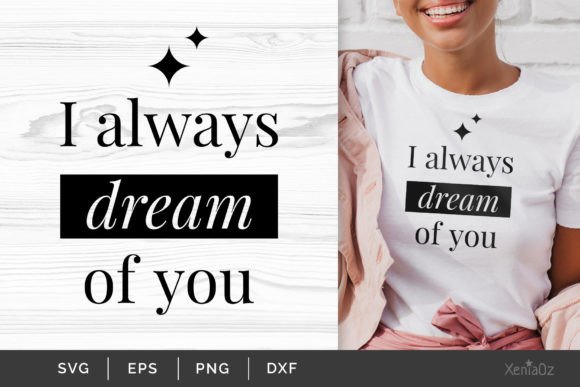
As a designer who spends more time staring at stitch simulations than actual fabric, I have learned to be skeptical of digital assets that promise perfection without context. When I first loaded the Valentine Inspirational Quote SVG into my workspace, I was not looking for flashy graphics or complex layering. I was looking for clarity, balance, and emotional resonance. The phrase "I always dream of you" carries a weight that requires careful typographic handling. It is intimate, soft, and enduring. My job was to determine if this specific design could translate that sentiment into thread without losing its legibility or charm on real-world textiles.
First Impressions: Mood and Layout Analysis
The immediate appeal of this embroidery file lies in its simplicity. In the world of Crafts and Graphics, there is a tendency to over-complicate holiday designs with excessive hearts, arrows, and cluttered borders. This design avoids that trap. The layout focuses entirely on the typography, allowing the words to breathe. For an experienced eye, this is a relief. It means the design relies on strong letterforms rather than decorative crutches.
The mood it creates is gentle and romantic, suitable not just for February 14th but for anniversaries, long-distance relationships, or everyday affection. Visually, the spacing appears consistent, which is critical when converting vector paths into machine commands. If the kerning is too tight, threads will merge; too loose, and the message loses cohesion. From a preliminary review, the structure suggests it would perform well as a central chest piece on apparel or a focal point on home decor.
Real-World Application: From Screen to Sweatshirt
To truly evaluate the Valentine Inspirational Quote SVG, I imagined it in a live production scenario. Picture a high-quality, heavyweight cotton sweatshirt in a muted blush or heather gray. This is a staple item for any Etsy seller or small shop product line. Placing this quote across the chest transforms a basic garment into a personalized gift with high perceived value.
I also considered its use on a canvas tote bag design. Here, the durability of the stitch becomes paramount. Totes are subjected to friction and weight. A design that looks delicate on screen might unravel or pucker under stress if the stitch density is not optimized. Because this design is text-based, it likely relies on a combination of satin stitch for smaller elements or outlines and potentially fill stitch for bolder letters, depending on the size at which it is scaled. For a tote, I would recommend scaling it up to ensure the stitches have enough surface area to anchor securely into the heavy canvas weave.
Another viable application is baby embroidery on a onesie or blanket. The softness of the message fits the nursery aesthetic perfectly. However, this introduces a new constraint: comfort. Babies have sensitive skin. If the back of the embroidery feels scratchy due to dense stitching or poor trimming, the finished product fails regardless of how beautiful it looks. This necessitates a high-quality cut-away stabilizer and careful attention to thread tension.
Technical Considerations for Embroidery Designers
While the aesthetic is strong, the technical execution requires vigilance. One of the most common pitfalls with quote-based designs is legibility on textured fabrics. If you are stitching this onto a waffle-knit towel or a ribbed sweater, the uneven surface can distort thin lines. I advise testing the design on scrap fabric that matches your final material. Pay close attention to the curves in letters like "d," "r," and "y." These areas are prone to puckering if the pull compensation is not set correctly in your digitizing software.
Fabric choice also dictates thread selection. For dark fabrics, you must ensure high contrast. A white or cream thread on navy blue creates a classic, crisp look. However, if you attempt a monochromatic look—such as red thread on red fabric—the details may vanish. Always test your thread colors against your fabric background before committing to a full production run. A printable mockup can help visualize color combinations, but nothing replaces a physical stitch-out.
Hoop size is another critical factor. This design is versatile, but scaling it down too much for a small hoop, such as a 4x4 inch frame, could render the finer serifs or connections between letters indistinguishable. Conversely, scaling it up for a large pillow cover requires checking that the stitch count does not become excessively dense, which can cause the fabric to gather or tear. Since the package includes SVG, DXF, PNG, and EPS files, you have flexibility in how you prepare the file for your specific machine, but always verify the dimensions relative to your hoop capacity.
Navigating Challenges: Curves, Corners, and Care
There are specific scenarios where this design should be used with caution. Curved surfaces, such as caps or hats, present a unique challenge. The rigid nature of embroidered text can conflict with the curved brim or crown of a cap. If you plan to use this for sweatshirt embroidery or caps, consider using a flexible stabilizer and possibly adjusting the underlay stitches to provide a smoother foundation. Additionally, tiny lettering on stretchy fabrics like jersey knits requires a robust stabilizer strategy to prevent the design from warping after washing.
Dense stitch areas can also be problematic if the design includes thick bolding. High density generates heat and friction, which can break needles or shred thread. If you notice the design feels stiff or board-like after stitching, it may be too dense for the chosen fabric. In such cases, reducing the density slightly or switching to a lighter weight thread can improve the drape and feel of the handmade product.
Commercial Value and Brand Consistency
For commercial embroidery professionals and craft business owners, consistency is key. Using a reliable digital embroidery file like this one helps maintain brand standards. Customers trust products that look professional and well-finished. A clean, well-stitched quote enhances the perceived quality of your brand. It signals attention to detail and care in production.
Moreover, this design fits seamlessly into a broader collection of holiday embroidery items. It can be paired with simple heart motifs or floral elements to create a cohesive line of Valentine’s Day merchandise. Whether you are selling custom apparel, embroidered patches, or home decor, the versatility of this quote allows it to adapt to various product types without losing its core message.
Final Designer Notes and Best Practices
Before launching this design into your product lineup, take these practical steps. First, always stitch a test sample. Check the back of the embroidery for loose threads or excessive bulk. Trim carefully to ensure comfort. Second, verify the licensing terms. While the product description states it is perfect for various projects, confirm whether the license allows for unlimited commercial sales or if there are restrictions on digital redistribution. Protecting your business legally is as important as protecting your design aesthetically.
Finally, consider the presentation. A well-stitched design deserves equally thoughtful packaging. Whether it is a personalized gift for a loved one or a product for an online store, the way you present the final item reinforces the value of the work. The Valentine Inspirational Quote SVG offers a solid foundation for creating meaningful, emotionally resonant pieces. With careful attention to technical details and fabric selection, it can become a standout item in your portfolio.
In conclusion, this design is a practical, versatile asset for designers who value clarity and emotion. It performs best when treated with respect for the materials and the machine. By focusing on proper stabilization, thread contrast, and appropriate scaling, you can transform this digital file into a tangible expression of love that customers will cherish.