Reviewing the Happy Easter Retro Quote SVG for Embroidery
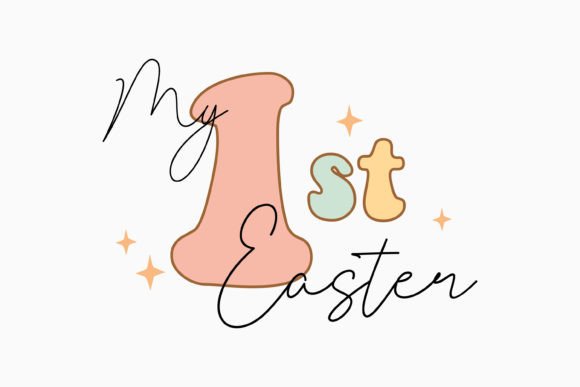
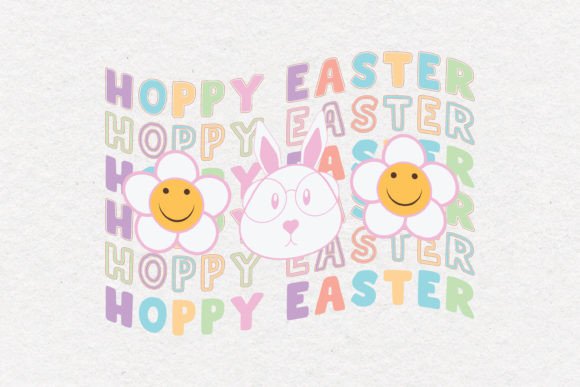
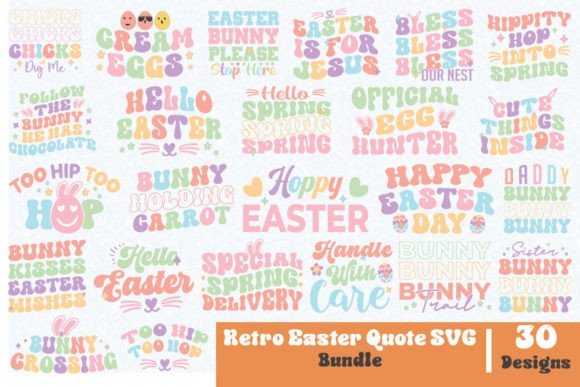
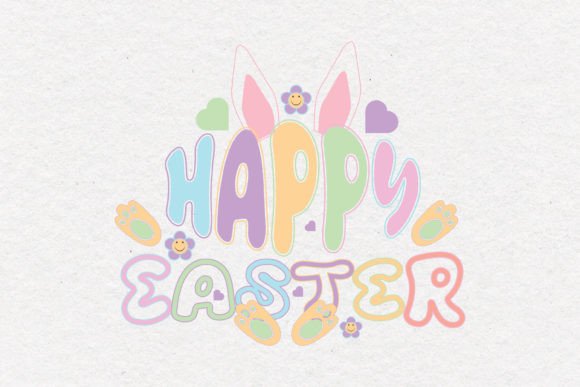
As a designer who spends half my life digitizing and the other half stitching, I have learned that not every graphic translates well to thread. When I first pulled up the Happy Easter Retro Quote SVG Design, my initial reaction was one of cautious optimism. The retro aesthetic is having a massive moment in the Crafts industry right now, but retro typography can be tricky. It often relies on thin lines or distressed textures that look great on a screen but turn into a tangled mess under a needle. However, after reviewing the file structure and visualizing the stitch path, I believe this design holds significant potential for the right project.
First Impressions: Mood and Visual Personality
The immediate mood of this design is nostalgic and cheerful. It captures that specific mid-century vibe that appeals to modern buyers looking for something vintage-inspired yet fresh. For an embroidery designer, the layout is the first thing we scrutinize. Does the text flow logically? Are the letters spaced in a way that allows for proper stitch coverage without excessive jumping?
In this case, the Graphics appear balanced. The quote is central, suggesting it is meant to be the hero of the piece rather than a subtle accent. This is crucial because it dictates where you can place it. You cannot hide a statement piece on a side seam; it demands the center chest of a sweatshirt or the front panel of a tote. The visual personality is bold, which is a positive trait for machine embroidery. Bold designs forgive minor tension issues better than delicate, lacy patterns.
Real-World Application: The Tote Bag Test
To truly evaluate a design, I always imagine it on a physical product. Let’s consider a custom embroidered tote bag. This is a high-demand item for spring markets and Easter gifts. I envision using this Happy Easter Retro Quote SVG Design on a heavy canvas tote. Canvas provides a stable base, reducing the risk of puckering, which is a common enemy of text-based embroidery.
If I were producing this for a small shop product, I would likely use a satin stitch for the lettering to give it a raised, premium feel. The retro style pairs beautifully with the sheen of rayon or polyester threads. Imagine using pastel thread colors—mint green, soft yellow, or baby pink—against a natural beige canvas. The contrast would be striking, making the finished product pop on an Etsy listing or at a craft fair. It transforms a simple bag into a personalized gift that feels thoughtful and curated.
Performance on Apparel and Textures
Moving beyond totes, let’s talk about custom apparel. Sweatshirt embroidery is incredibly popular, but it presents challenges. The fleece texture can swallow small details. Since this design is a quote, legibility is paramount. If you are planning to use this on a hoodie or crewneck, I strongly advise testing the stitch density. You may need to adjust your digitizing software to ensure the fill stitch is dense enough to cover the fabric texture but not so dense that it creates a hard, cardboard-like patch on the garment.
For baby embroidery, such as on a onesie or burp cloth, caution is required. Babies have sensitive skin, and bulky stitching can be irritating. If you choose to use this design for baby items, consider scaling it down significantly or using a lighter weight stabilizer. Alternatively, this might work better as an applique design if the original files allow for easy separation of elements, though you would need to verify the layer structure in the provided EPS or SVG files.
Challenges with Curved Surfaces and Dark Fabrics
One area where this design requires careful handling is on curved surfaces like caps. Embroidering text on a cap is notoriously difficult due to the curvature distorting the perspective. If the quote is long, it might wrap awkwardly around the front panel. I would recommend placing this on a flat-front cap or adjusting the arc of the text in your digitizing software before loading it onto the machine.
Dark fabrics present another hurdle. Retro designs often rely on light, airy colors. If you stitch pastel threads on a black t-shirt, the background fabric might show through the stitches, ruining the crispness of the letters. In these cases, using an underlay stitch or a white backing thread can help bridge the gap. Always check thread color contrast before committing to a full production run.
Commercial Viability for Etsy Sellers
For the Etsy seller or creative entrepreneur, time is money. A design like this is valuable because it is versatile. It fits into multiple niches: holiday embroidery, spring decor, and religious or secular celebrations depending on the buyer’s interpretation. This versatility increases its commercial embroidery potential. You can create printable mockups showing the design on pillows, tea towels, and aprons, giving customers a clear idea of how the digital embroidery file translates to real life.
However, professionalism is key. Buyers judge handmade products by their finish. If the tiny details in the retro font fray or pull out after one wash, your brand consistency suffers. This is why I always emphasize the importance of testing. Do not assume the default settings in your embroidery software are perfect for every fabric. Test the design on scrap fabric first. Check how it handles washing. Ensure that the stitch count is appropriate for the hoop size you are using.
Practical Designer Notes and Licensing
Before you rush to purchase and produce, there are technical specifics you must verify. The product description mentions you receive SVG, PNG, DXF, and EPS files. While these are standard for cutting machines and vector graphics, they are not native machine embroidery formats like PES, DST, or JEF. This is a critical distinction. As an experienced reviewer, I must point out that you will likely need to digitize this design yourself or hire a digitizer to convert these vector graphics into a stitch file.
If you are not a digitizer, this adds a step to your workflow. You will need to import the SVG or EPS into embroidery software, assign stitch types (satin, fill, running), set pull compensation, and generate the actual machine code. If you are comfortable with this process, the high-quality vectors provided will make your job much easier. If you are looking for a plug-and-play solution, ensure you have the skills to convert these assets.
Additionally, always confirm licensing before selling finished items. Just because you bought the design does not automatically grant you the right to sell thousands of embroidered shirts. Check the terms provided by the design store. Most designers allow for small batch commercial use, but restrictions vary. Protect your craft business by understanding these boundaries.
Final Verdict on the Design Assets
The Happy Easter Retro Quote SVG Design is a strong contender for spring collections. Its strength lies in its trendy aesthetic and clear typographic structure. It is best suited for stable fabrics like canvas, denim, and heavy cotton blends. It requires thoughtful digitizing to ensure legibility on textured materials and careful color selection for dark backgrounds.
For the hobbyist, it offers a fun challenge in digitizing and stitching. For the small business owner, it provides a timely, marketable asset for holiday gifts and boutique branding. Just remember: the quality of the final embroidered patch or garment depends less on the SVG itself and more on how well you translate those vectors into stitches. Take the time to test, adjust, and refine. That attention to detail is what separates a generic handmade product from a professional, trusted brand.