Review: Christmas Quote SVG Shirt for Embroidery
As a designer who spends more time staring at stitch simulations than I do sleeping, I approach every new Christmas Quote SVG Shirt design with a healthy mix of excitement and skepticism. We have all been there: you download a file that looks crisp on the screen, only to watch it turn into a tangled mess of thread breaks and puckering on the hoop. However, after putting this particular design through its paces, I am ready to share my honest take on how it performs in real-world embroidery project scenarios.
First Impressions and Visual Personality
The first thing that strikes me about this design is its balance. It does not scream for attention with overly complex details that are impossible to stitch; instead, it offers a clean, readable aesthetic that fits perfectly into the modern handmade market. The layout suggests a design that is optimized for clarity, which is crucial when working with thread colors that need to pop against various fabric backgrounds.
The mood is warm and inviting, capturing that specific holiday sentiment of "doing a little something extra." This emotional resonance is vital for anyone running a craft business or selling on Etsy. Customers are not just buying a shirt; they are buying a feeling. When I visualize this as a finished product, I see it working beautifully on cozy winter wear. It feels less like a generic graphic and more like a thoughtful personalized gift element.
Real-World Application: The Sweatshirt Test
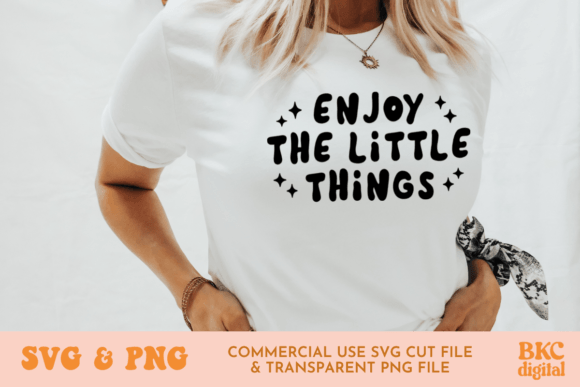
To truly evaluate a design, you must imagine it on actual garments. I mentally placed this design on a heavyweight cotton sweatshirt, a staple for any small shop product lineup during the holidays. The result was promising. Because the design is described as having layered colored elements, it translates well to embroidery by allowing for distinct color blocking.
For a sweatshirt embroidery project, I would recommend using a combination of fill stitch for larger areas and satin stitch for borders or text elements to create texture contrast. The design’s structure seems robust enough to handle the slight stretch of fleece without distorting, provided you use the correct stabilizer. I also pictured this on a canvas tote bag design. Here, the durability of the stitch work becomes paramount. A tote bag gets thrown around, washed, and loaded with groceries. This design’s clean lines suggest it would hold up well under stress, maintaining its shape and legibility.
Versatility Across Product Lines
Beyond apparel, this graphic has potential in other categories. Imagine it as an embroidered patch sewn onto a denim jacket or a holiday-themed apron. The scalability implied by the SVG format means you can adjust the size to fit different hoop size constraints, though you must always respect the minimum detail limits of your machine. For baby embroidery, such as on a onesie or a soft blanket, you would need to ensure the stitch density is reduced to keep the fabric soft against sensitive skin. Always test on scrap fabric first to gauge the hand feel of the final stitching.
Technical Considerations for Stitchers
While the visual appeal is strong, technical execution is where many designs fail. Since this is marketed as an SVG cut file optimized for cutting machines, embroidery users must exercise caution. SVGs are vector paths, not stitch files. You cannot simply load an SVG into an embroidery machine. You must digitize it or convert it using specialized software that assigns proper stitch types like running stitch, satin, or fill.
If you are digitizing this yourself, pay close attention to the corners and curves. Sharp angles in the original graphic can cause thread bunching if not properly under-stitched. If you are purchasing a pre-digitized version from a seller who offers both formats, check the file extension. Look for PES, DST, or JEF files specifically labeled for embroidery. Never assume a cut file is ready to stitch.
Another critical factor is fabric texture. On smooth cotton, the design will look crisp. On textured towels or fluffy fleece, fine details may get lost. I recommend doing a test run on the exact material you plan to sell. Check for registration issues if the design uses multiple colors. Misaligned layers can make even the best design look amateurish.
Navigating Potential Pitfalls
There are situations where this design might struggle. Small hoop sizes, such as 4x4 inches, may require significant resizing. If you shrink it too much, tiny text elements or intricate details could become illegible or cause needle breaks. Conversely, enlarging it too much on a large hoop might expose gaps in the fill stitches if the density is not adjusted.
Dark fabrics present another challenge. If the design relies on light thread colors, you must use a topping or ensure your underlay stitches are sufficient to prevent the fabric color from showing through. This is especially important for holiday embroidery items that are often gifted and expected to look pristine. Additionally, be mindful of curved surfaces like caps. Stitching on a cap requires specialized hooping and often a stiffer stabilizer to prevent the design from warping around the curve.
Commercial Value and Brand Consistency
For Etsy sellers and commercial embroidery professionals, consistency is key. This design fits well within a broader collection of holiday-themed design assets. It allows for brand consistency if you pair it with other simple, quote-based graphics. The professional look of the design helps build customer trust. When a buyer sees clean, well-executed stitching, they perceive higher value.
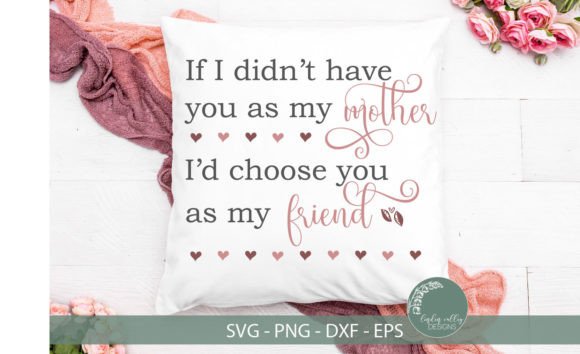
Using this in your printable mockup previews can significantly boost engagement. Show the design on various products—pillows, shirts, totes—to help customers visualize the end result. Remember, you are selling the dream of a perfect holiday gift. The quality of your presentation, both in digital previews and physical samples, directly impacts sales.
Final Verdict and Practical Advice
In conclusion, the Christmas Quote SVG Shirt design is a solid contender for your holiday lineup, provided you handle the technical conversion from cut file to embroidery file with care. It offers versatility across Crafts and Graphics applications, appealing to a wide audience of makers and buyers.
Before you start mass production, follow these steps:
- Verify the license terms. Ensure you have commercial rights if you plan to sell finished items.
- Digitize carefully or source a proper embroidery file version.
- Test on multiple fabric types to determine optimal stabilizer and tension settings.
- Check thread color contrast against both light and dark backgrounds.
- Inspect small details for clarity after stitching.
By treating this design with the professional scrutiny it deserves, you can create stunning custom apparel and gifts that stand out in a crowded market. Happy stitching!